Travelling abroad has now become more seamless than ever, especially with the rise of the international travel cards, a convenient and secure way to manage expenses overseas. Whether you’re heading out for leisure, business, or studies, a forex card for travel can help you avoid carrying large amounts of cash while offering competitive exchange rates.
However, despite their advantages, many travellers make avoidable mistakes while using these cards, which can lead to unnecessary charges, inconvenience, or even security risks. Here are the top 10 mistakes you should avoid to make the most of your travel card.
1. Not understanding how the card works
One of the most common mistakes is using an international travel card without fully understanding its features. Many travellers assume it works exactly like a regular debit or credit card, which is not always the case.
Different cards have different rules regarding loading currencies, withdrawal limits, inactivity fees, and transaction charges. Failing to read the fine print can lead to unexpected costs.
What to do instead:
Familiarise yourself with your card’s terms, especially fees, supported currencies, and usage conditions, before your trip.
2. Ignoring forex markup fees
Not all travel cards are created equal. Some cards charge a forex markup on every international transaction, which can quietly increase your overall travel expenses.
Choose a card that offers low or zero forex markup to ensure you’re getting the best possible exchange rate on your spends.
3. Loading too much or too little currency
Overloading your card can leave you stuck with unused foreign currency, while underloading may force you into emergency top-ups at unfavourable rates.
Estimate your expenses carefully, factoring in accommodation, food, transport, and shopping. Keep a buffer, but avoid excessive loading.
4. Not checking supported currencies
Some international travel cards support only specific currencies. Using the wrong currency can trigger cross-currency conversion fees.
Ensure your forex card for travel supports the currency of your destination. If not, understand the conversion charges involved.
5. Relying solely on the card
While travel cards are reliable, depending entirely on one payment method can be risky. Technical issues, blocked transactions, or lost cards can disrupt your trip.
Always carry a backup, such as a secondary card or a small amount of local cash.
6. Forgetting to enable international usage
Many cards require you to manually enable international transactions or specific features like ATM withdrawals.
Activate international usage settings via your banking app before departure to avoid last-minute issues.
7. Ignoring ATM withdrawal fees
While using ATMs abroad is convenient, frequent withdrawals can attract charges, including ATM operator fees and currency conversion costs.
Withdraw larger amounts less frequently and check if your card offers low or reimbursed ATM fees.
8. Not tracking your spending
It’s easy to lose track of expenses when you’re travelling, especially across multiple currencies.
Use your card’s mobile app to monitor transactions in real time. This helps you stay within budget and detect any suspicious activity early.
9. Overlooking card security
Losing your card or falling victim to fraud abroad can be stressful and difficult to manage.
Enable security features such as transaction alerts, PIN protection, and the ability to instantly block/unblock your card via an app.
10. Not knowing emergency support options
In case your card is lost, stolen, or declined, not knowing how to get help can create unnecessary panic.
Save customer support numbers and understand the process for card replacement or emergency assistance before you travel.
Practical tips for using an international travel card abroad
Avoiding mistakes is important, but following a few smart practices can further enhance your experience with an international travel card.
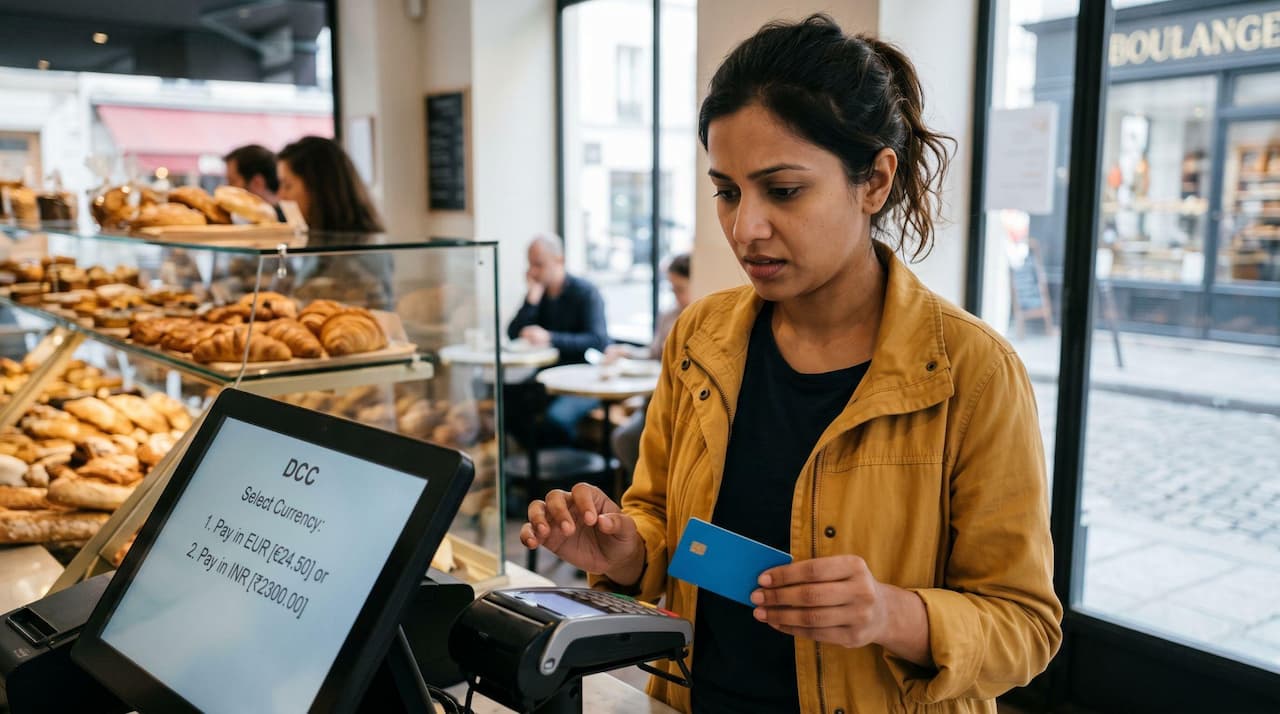
- Always pay in local currency: When given the option, choose to pay in the local currency instead of your home currency to avoid Dynamic Currency Conversion charges.
- Set transaction alerts: Instant notifications help you track spending and quickly identify unauthorised transactions.
- Keep your PIN secure: Never share your PIN or store it in easily accessible places, such as notes or emails.
- Use ATMs from reputed banks: This reduces the risk of skimming and ensures better reliability.
- Check exchange rates before loading: Currency rates fluctuate, so loading at the right time can help you save money.
- Carry a second card: Even if your primary card works perfectly, having a backup ensures peace of mind.
Way forward
An international travel card is a smart financial tool that simplifies spending abroad, but only when used wisely. Avoiding these common mistakes can help you save money, stay secure, and enjoy a hassle-free travel experience.
If you’re looking for a modern solution, digital alternatives like the Niyo Zero Forex Markup Card are increasingly popular among travellers. With features such as zero forex markup, global acceptance, app-based controls, and transparent pricing, they eliminate many of the traditional pain points associated with a forex card for travel, making international spending simpler and more cost-effective.