
Think about your first day in an IT office. The hum of laptops. The quiet tension before a release. Everyone wants results fast and no one wants bugs.
That’s where automation testers step in.
An automation testing course teaches you how to test software using smart scripts instead of repeating the same clicks again and again. In 2026, this skill feels less optional and more essential, especially in India’s fast-moving tech scene.
This guide explains everything clearly: the automation testing course syllabus, fees in India, pay after placement options, AI tools used today and how beginners can build a strong career without feeling lost.
Quick Overview
- Automation testing replaces repetitive manual testing
- Beginners learn Selenium, automation logic and real projects
- Course duration ranges from 6 weeks to 6 months
- Automation testing course fees vary from free to ₹1.5 lakh
- AI-assisted tools are now part of modern testing
- Skilled testers can start at ₹8–12 LPA in top product companies
If that sounds promising, let’s go deeper.
Why Learn Automation Testing in 2026?
Software teams no longer wait months to release updates. New features roll out weekly. Sometimes daily.
Manual testing struggles to keep up with that pace. Automation doesn’t.
In India, companies want testers who can:
- Test faster
- Reduce release risks
- Work closely with developers
- Fit into CI/CD pipelines
Automation testing feels practical. You write once. You test many times. The work feels cleaner. The impact is visible.
By 2026, automation testers are no longer “support roles.” They are part of the core engineering process.
Who Should Take an Automation Testing Course?
This field fits more people than most think.
An automation testing course for beginners works well if you are:
- A fresher trying to enter IT
- A manual tester bored with repetitive work
- A non-IT graduate willing to learn step by step
- A working professional aiming for better salary growth
You don’t need to be a coding expert. You need patience, logic and curiosity.
Automation Testing Course Syllabus
A strong automation testing course syllabus teaches concepts the way real teams work, not just theory.
Module 1: Software Testing Fundamentals
This sets the foundation.
- SDLC and STLC
- Types of testing
- Test cases and bug tracking
- Testing mindset
Module 2: Programming Basics (Java or Python)
Simple logic. No pressure.
- Variables and conditions
- Loops and functions
- Object-oriented basics
You learn just what automation needs. Nothing extra.
Module 3: Selenium WebDriver
This is where things get exciting.
- Browser automation
- Locators and XPath
- Handling popups and alerts
- Synchronization
Watching your script control a browser feels oddly satisfying.
Module 4: Test Frameworks (TestNG / PyTest)
Structure matters.
- Assertions and annotations
- Page Object Model
- Reports and logs
Your scripts start to look professional here.
Module 5: API Testing
Modern apps rely on APIs.
- REST basics
- Testing using Postman
- Validating responses
This skill boosts interview confidence.
Module 6: CI/CD, Git and Jenkins
Automation meets real workflows.
- Version control with Git
- Jenkins pipelines
- Scheduled test runs
You now think like an industry tester.
Module 7: Modern Automation Tools
Many 2026-ready courses include:
- Cypress
- Playwright
- Appium (mobile automation)
This keeps your profile relevant.
Module 8: Real-Time Projects
This decides job outcomes.
- E-commerce automation
- API automation suite
- CI-integrated test execution
Projects speak louder than certificates.
Automation Testing Life Cycle (ATLC)
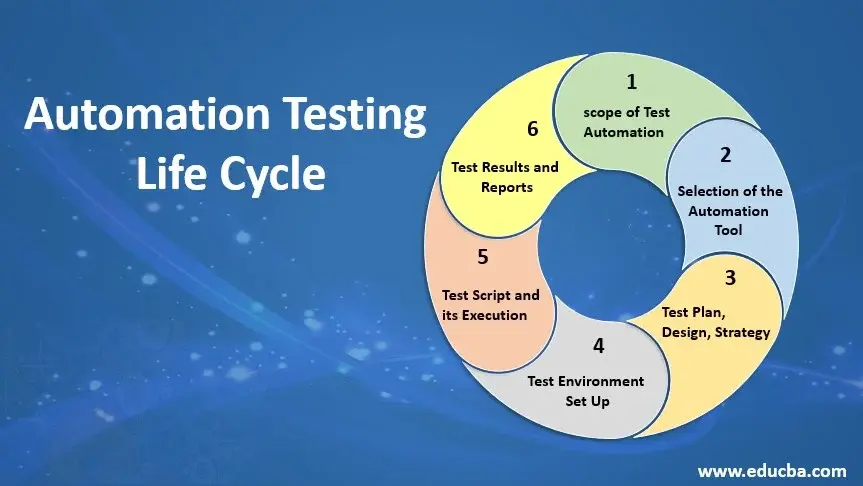
How Automation Testing Works in Real Teams
Automation testing follows a clear cycle:
- Tool selection
- Test planning
- Script development
- Test execution
- Result analysis
- Maintenance
Once you see this flow, every syllabus topic starts to make sense. This cycle mirrors how QA teams actually operate inside companies.
Tools Covered in an Automation Testing Course
Most courses teach these step by step:
- Selenium
- Java or Python
- Cypress or Playwright
- Postman
- Git and Jenkins
You don’t master everything in a week. Growth happens gradually.
AI Integration in Automation Testing (The 2026 Shift)
Automation in 2026 looks different. Scripts still matter but AI now supports testers quietly in the background.
Modern automation courses introduce:
- AI-assisted code writing, where tools suggest test logic while you type
- Self-healing automation, where tests adapt when UI changes
- Smart failure analysis, where flaky tests get flagged automatically
Tools like GitHub, Copilot help testers write scripts faster and cleaner.
AI does not replace testers. It reduces friction. Beginners benefit the most because learning feels smoother and less frustrating.
Automation Testing Course Duration (India)
Duration depends on learning style.
Common formats:
- Crash courses: 6–8 weeks
- Regular batches: 3–4 months
- Placement bootcamps: 5–6 months
Working professionals often choose weekend or evening batches.
Automation Testing Course Fees in India
Here’s a realistic view of automation testing course fees:
- Free platforms: ₹0
- Self-paced courses: ₹1,000–₹10,000
- Instructor-led training: ₹15,000–₹60,000
- Placement-focused programs: ₹50,000–₹1.5 lakh
Higher fees usually include mentoring, projects and interview prep.
Automation Testing Course Pay After Placement
Many institutes now offer automation testing course pay after placement models.
How it works:
- You pay after getting a job
- Payment starts only after meeting salary conditions
Good points:
- Low upfront risk
- Helpful for freshers
Things to read carefully:
- Contract terms
- Minimum salary clause
- Repayment structure
Never skip the fine print.
Career Scope After an Automation Testing Course (India)
Automation testing now offers two clear salary tracks.
Service-Based Companies
- Freshers: ₹4–6 LPA
- 2–4 years experience: ₹7–12 LPA
Product Companies & Global MNCs (SDET Roles)
- Skilled freshers: ₹8–12 LPA
- 2–3 years experience: ₹15–25 LPA
- Senior roles: ₹30 LPA+
The gap comes from skill depth, framework knowledge and real project exposure.
How to Choose the Right Automation Testing Course
Before enrolling, ask:
- Does the syllabus feel updated for 2026?
- Are live projects included?
- Are trainers industry-experienced?
- Is placement support transparent?
If answers feel vague, look elsewhere.
Free Automation Testing Courses to Start With
Free learning helps beginners gain confidence.
- Selenium basics
- Introduction to API testing
- Sample automation workflows
These prepare you for structured paid programs later.
FAQs:
It teaches how to automate software tests using tools like Selenium and Cypress.
Yes. Most automation testing courses for beginners start from basics.
No. Basic programming is taught during the course.
Anywhere between 6 weeks and 6 months.
Fees range from free to ₹1.5 lakh.
Yes, if terms are clear and fair.
Selenium remains the safest starting point.
Yes, with strong projects and practice.
Final Takeaway
Automation testing in 2026 is not about chasing hype. It’s about learning a skill that saves time, reduces errors and keeps tech teams moving smoothly.
If you enjoy logic, structure and seeing your work run on its own, an automation testing course can be a smart career move.
Learn patiently. Choose wisely. Grow steadily.
Disclaimer: The information shared in this guide is for educational and informational purposes only. While every effort is made to keep details like course fees and salary trends accurate for 2026, the IT industry changes quickly. This content does not promote or endorse any specific training institute.
“Pay After Placement” models should always be reviewed carefully before signing any legal agreement. Career outcomes depend on individual effort, skills, and current market conditions. Readers are advised to carry out their own research and due diligence before making any financial or career-related decisions.